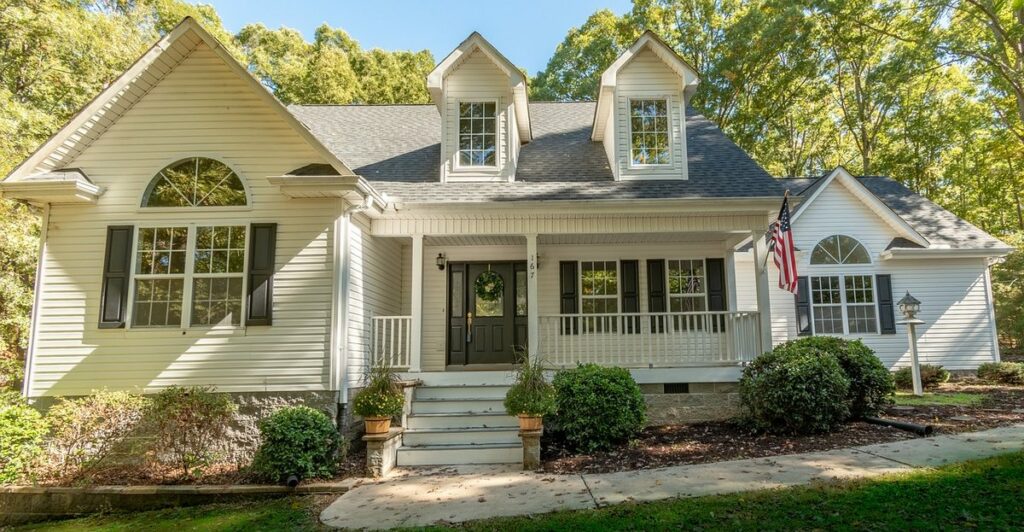
Photo by Ernest_Roy on Pixabay
A Veterans Day Look at the Benefits You Earned
Veterans Day is Wednesday, November 11, a day to thank everyone who has served. It is also a good time to look at the home benefits that come with that service. Many veterans used a VA loan once and assume the benefit is gone, or they never learn about the grants and tax breaks they qualify for.
Here are four home benefits that often go unused, and how to check whether they apply to you.
1. Your VA Loan Benefit Can Be Used Again
The VA home loan is not a one-time benefit. The part of your benefit that a loan uses is called entitlement, and in many cases you can get it back. According to the VA, you can have used entitlement restored if one of these is true:
- You sold the home and paid off the loan: This is the most common way to restore entitlement, and it can happen more than once.
- A qualified veteran assumed your loan: The buyer must agree to substitute their own entitlement for the amount you used.
- You paid off the loan but kept the home: The VA allows this one-time restoration so you can buy another primary residence, such as when you keep your last home as a rental. After you use it, you must sell all homes bought with VA loans before any more entitlement can be restored.
Even without restoration, you may still have enough remaining entitlement to buy again. The VA calculates it from your county’s loan limit: multiply the one-unit limit by 25 percent, then subtract the entitlement already used. Most lenders want your entitlement, a down payment or both to cover at least 25 percent of the loan.
To restore entitlement, request a new Certificate of Eligibility (COE) online at VA.gov, ask your lender to request it for you, or mail VA Form 26-1880. Keep proof that the old loan was paid in full, such as a paid-in-full letter or the Closing Disclosure from the sale.
2. You May Not Owe the VA Funding Fee
Most VA loans carry a one-time funding fee. For a purchase with less than 5 percent down, it is 2.15 percent of the loan on first use and 3.3 percent after first use. On a $400,000 loan, that is $8,600 to $13,200, usually rolled into the loan.
The VA waives this fee for several groups. You don’t pay it if:
- You receive VA compensation for a service-connected disability
- You are eligible for that compensation but receive retirement or active-duty pay instead
- You receive Dependency and Indemnity Compensation (DIC) as the surviving spouse of a veteran
- You are a service member with a proposed or memorandum rating before closing that shows you are eligible for compensation from a pre-discharge claim
- You are on active duty and show proof of a Purple Heart on or before closing
Your COE should show whether you are exempt. If it doesn’t match your situation, ask your lender to check it before closing.
3. Adapted Housing Grants for Service-Connected Disabilities
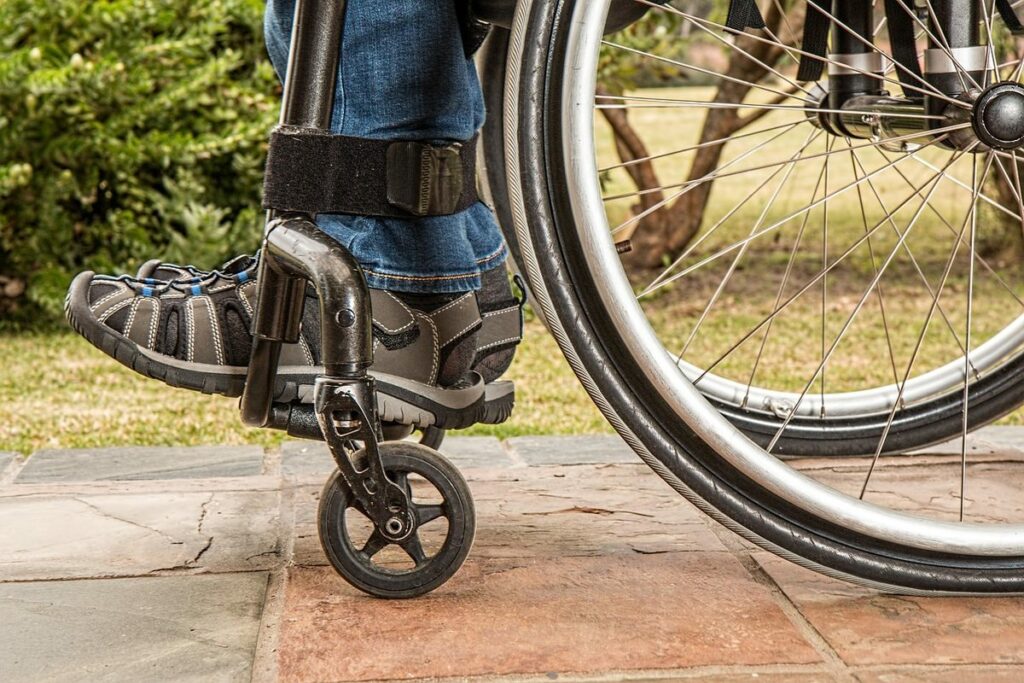
Veterans and service members with certain service-connected disabilities can get VA grants to buy, build or change a home so it is easier to live in. Changes might include ramps, wider doorways or an accessible bathroom.
- Specially Adapted Housing (SAH) grant: Up to $126,526 for fiscal year 2026, for disabilities such as the loss or loss of use of more than one limb, or blindness in both eyes.
- Special Home Adaptation (SHA) grant: Up to $25,350 for fiscal year 2026, for disabilities such as the loss or loss of use of both hands, certain severe burns, or certain breathing injuries.
- Temporary Residence Adaptation (TRA) grant: For a veteran living temporarily in a family member’s home, up to $50,961 for those who qualify for SAH or $9,100 for those who qualify for SHA.
You don’t have to use the full amount at once. The VA lets you use grant money up to six times over your lifetime, up to the maximum, and it adjusts the maximum each year based on construction costs. You can apply online or with VA Form 26-4555.
4. State Property Tax Breaks
Some of the largest savings come from your state, not the VA. Many states lower or remove property taxes on a primary home for veterans with a service-connected disability rating. Two examples:
- Texas: Veterans with a 100 percent rating or individual unemployability can get a full exemption on their homestead. Partially disabled veterans can get $5,000 to $12,000 off the taxable value, depending on their rating.
- Maryland: Veterans rated 100 percent service-connected, permanent and total can be exempt from real property taxes on their home.
Rules, amounts and deadlines vary by state and sometimes by county. These exemptions are not automatic. You usually apply through your county assessor or appraisal district with your VA rating letter and proof that the home is your primary residence. Surviving spouses may qualify too.
3 Steps to Take This Week
1. Pull your current COE: Request it on VA.gov or through a VA lender. It shows your entitlement and whether you are exempt from the funding fee.
2. Check your county’s veteran exemptions: Look up your county assessor or appraisal district website, find the veteran or disabled veteran exemption, and note the filing deadline.
3. Talk with your agent and lender before your next move: If you plan to buy at your next duty station or keep your current home as a rental, ask how restoration or remaining entitlement fits your plan.
The Bottom Line
Your service earned you home benefits that can last a lifetime, but many of them only work if you ask. A quick COE check, a look at your state’s tax exemptions and a conversation with a military-savvy agent can save thousands of dollars on your next home. This Veterans Day, thank you for your service, and make sure you are using every benefit you earned.
Sources
- VA: Eligibility for VA Home Loan Programs
- VA: Home Loan Entitlement and Limits
- VA Form 26-1880: Request for a Certificate of Eligibility
- VA: Funding Fee and Closing Costs
- VA: Disability Housing Grants for Veterans
- MyArmyBenefits: Texas Military and Veterans Benefits
- Maryland Department of Veterans and Military Families: State Property Tax Exemptions